A Balanced Diet is one that provides the body with the right mix of essential nutrients in appropriate quantities to maintain overall health and well-being.
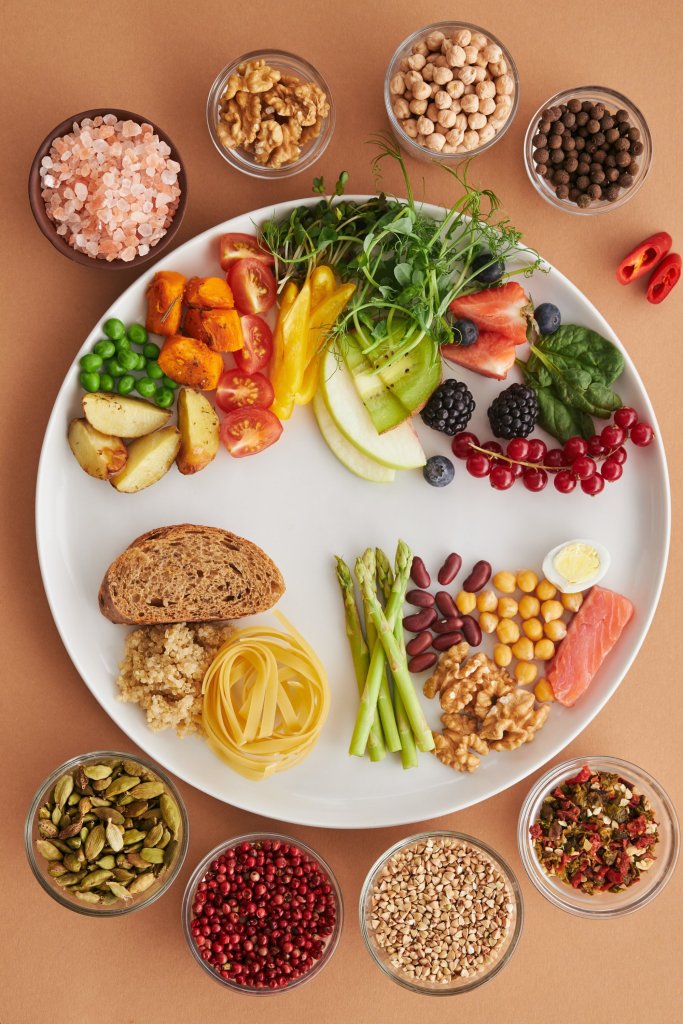
It typically includes a variety of foods from different food groups, such as:
- Fruits
- Vegetables
- Grains (preferably whole grains)
- Protein sources (e.g., lean meats, poultry, fish, beans, nuts)
- Dairy or dairy alternatives (for calcium)
The importance of a balanced diet for maintaining physical health cannot be overstated.
Here are several key reasons why it’s crucial:
- Nutrient intake: A balanced diet ensures that you get all the essential nutrients, including vitamins, minerals, proteins, carbohydrates, and healthy fats your body needs to function properly.
- Energy balance: It helps maintain a healthy balance between the calories you consume and the calories you burn, supporting weight management.
- Disease prevention: A balanced diet can reduce the risk of chronic diseases, including heart disease, diabetes, and certain cancers.
- Digestive health: A diet rich in fiber from fruits, vegetables, and whole grains supports a healthy digestive system.
- Bone and muscle health: Adequate calcium and protein intake contributes to strong bones and muscles.
- Immune system support: Proper nutrition helps strengthen the immune system, making the body more resistant to infections and illnesses.
- Mental health: Diet can influence mood and cognitive function, with nutrient-rich foods contributing to better mental well-being.
- Weight management: A balanced diet can help prevent obesity and related health issues.
- Healthy skin and hair: Nutrients like vitamins A, C, and E from a balanced diet promote healthy skin and hair.
In summary, a balanced diet is essential for maintaining physical health as it ensures the body receives the right nutrients in the right proportions.
It supports overall well-being, helps prevent health problems, and is a fundamental component of a healthy lifestyle.
#HealthyHub#
#healthierhabit.fitness.blog#
 Healthy Hub